

This is Demand 5 in the series:
The 5 Physical Demands of Hiking That Most Workout Plans Ignore

There is a specific kind of gym confidence that evaporates the moment you step onto a real trail with a real pack and a real timeline. It usually happens somewhere between the first long climb and the first real descent.
It’s also the demand that quietly decides who finishes.
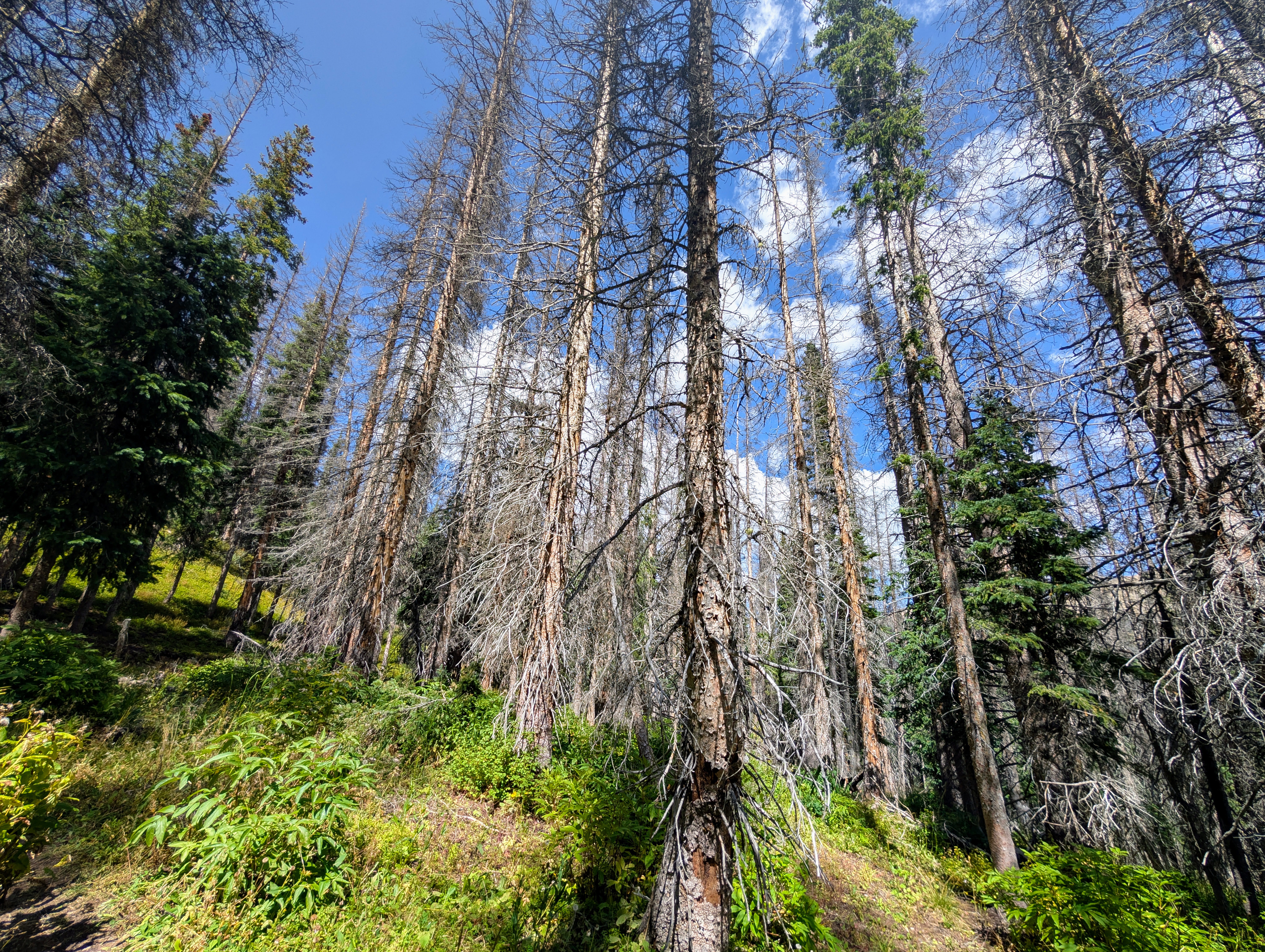
Have you ever been hiking inside of a Widowmaker Forest, with no escape other than to keep on walking?
💡 Read the full guide on Type Two Fun (includes the Thru-Hiking Itinerary)
Miles of beetle-kill manifesting as tall, thin gray trunks. Harmless, for the most part, until the wind (or weather) picks up. People call them Widowmakers for a reason, and inclement weather is not the only trigger - there are also first-hand accounts of them coming crashing down right on trail amid temperate weather.
I hit that stretch feeling… off.
By 9 p.m. I was night hiking, and tired enough to start bargaining. I dug through FarOut comments, looking for anything that sounded like a safe campsite away from the deadfall. Nothing. The “safe” option was pushing another 15 miles to clear the worst of the widowmakers, and that option was not happening unless I wanted to start hallucinating with a headlamp on.
So I did something I would never do outside the pressure cooker of fatigue and sickness.
I camped in a Widowmaker forest.
Not under the tallest snags, not in the obvious fall line, not completely braindead. I found a blocked-off old logging road and angled my little setup away from the most prominent dead trees, then stared at my Garmin forecast like it was a courtroom verdict. The wind was “supposed” to stay down.
I prayed anyway. I also thought about how stupid a headline it would be if I died.
I survived, my gear survived. My nervous system, however, was shot leading into the next day.
That night burned the real lesson into my body: recovery while moving is the skill that keeps you functional when you are cooked and still have to do the things that will keep you alive and well tomorrow.
That’s what Demand 5 is.
There will be times when you are simultaneously tired, nauseous, and operating on low decision quality. You still need to pick a safe site, set up properly, filter, cook, take care of your hygiene, manage layers, protect your sleep kit, keep your water filter warm, handle food storage, and make decisions that won’t get you hurt.
The trail doesn’t really care if you feel like it.
💡 Read the full guide on Type Two Fun: The 5 Physical Demands of Hiking
The People Who Can Brute-Force It
They exist: the hikers who can go boom-bust for weeks and still roll into town looking only mildly traumatized.
I met them, leapfrogged with them, and on one segment I hiked with three people who made my outdoor rec resume feel like child’s play: a triple crowner, a free-solo climber, and Alaska Dan, who moved through snow like it was his childhood backyard.
Here’s what’s true about the brute-force crowd: they still pay, their bill just has a later due date. Fatigue degrades mechanics and judgment at the same time, and unresolved, compounding fatigue can have disastrous effects on the body. That combination is how small problems become big.
Your Plan Needs to Survive Bad Days
If your hiking plan only works when you feel great, it’s not a plan. It’s a fairytale dressed as a spreadsheet.
Bad days don’t usually show up in a big way. They start like a slow leak:
you start too hot because you feel invincible
you take breaks that are too long because you “earned it”
you under-fuel because nothing sounds good
you stop paying attention to little issues because you want to be done
your brain cycles between decision fatigue and punishing you for being tired
Demand 5 is the system that keeps you from spiraling when the leak starts.
If you were to keep only one piece of advice in your head after reading, it should be this:
Drink electrolytes.
Not sometimes, when you feel like it, or when you remember. I mean consistently and regularly. Especially at altitude or in heat.
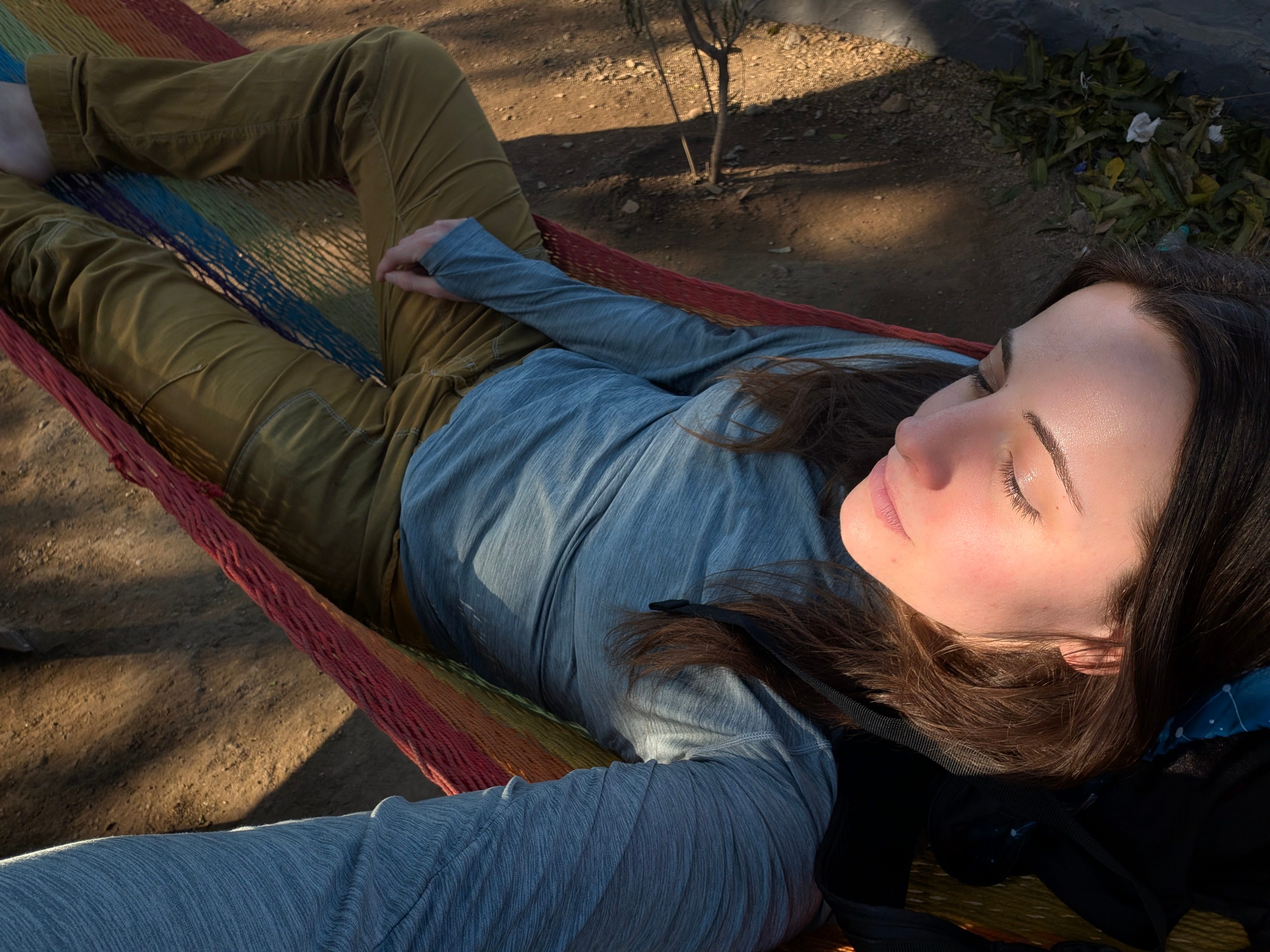
My Thru-Hike Pattern: Slow Start, Strong Middle
On the Colorado Trail, my mornings were often painfully slow.
I woke up around 4:30 and needed about an hour to fully tear down camp and start walking. There was always more to do than I expected; I was also filming and writing, and content can quickly steal forty-five minutes if you let it.
Even after 3 packets of oatmeal with trail mix or granola dumped in as a garnish, my energy came online gradually.
The first few miles were my on-ramp; painfully gradual, with frequent stops to adjust gear or strip layers or reassess my plan for the day (which often depended on the most recent forecast update through my Garmin InReach).
If I could get through the first 5-6 miles without an elongated break, I’d drop into a groove where the hours disappeared. That was my flow. I could hike for a long time without feeling like I was fighting myself.
That matters, because a lot of hikers misread their own wiring. If your plan assumes you’ll be a 7 a.m. superhero and your body is a slow-burn machine, you’re going to keep thinking something is wrong with you.
Nothing is inherently wrong. Your pacing strategy just doesn’t match your body.
Pace With Tomorrow in Mind
I had boom-bust days, especially when the elevation wasn’t aggressive. On flatter terrain, I felt like I had superpowers and wanted to keep going forever. It was hard to stop when these days would happen; I knew how important it was to stop and refuel or rehydrate, but my body would fight to keep walking just a few more miles. I was becoming addicted to my own progress.
Here’s what you need to know. If the miles you’re crushing start to feel so seductive that your ego begins planning a TED Talk, it’s time to introduce a little discipline to your routine.
I night hiked occasionally, but tried to not make a habit out of it. Not because I was scared of the dark or nocturnal animal activity, but because I respected the crash that comes later. Sleep tax is real, you can’t fully pay it off with one oversized sleep-in the next morning. I would also be cutting into the weather window for afternoon thunderstorms the Colorado Trail is commonly known for. Beyond that, I knew that psychologically it would mess with me for the rest of the next day if I slept in and started the trail late.
So, I treated sleep like a sacred ritual.
I aimed for 7-8 hours whether I felt tired or not. That single choice kept me more stable than any motivational mantra or mindset shift ever could.
A few pacing rules that held up for me:
start slower than you want to, especially on big days
protect your mechanics when fatigue shows up (shorter stride, more deliberate feet)
don’t let a “strong day” bully you into a weak tomorrow
Most “bad days” have actually been carefully constructed through a series of decisions over a period of time.
Break Rhythm: The Small Resets That Save You
My most reliable reset was micro-breaks.
I snacked constantly. I moved fast when I was walking, but I also took breaks often enough that other hikers would catch up and sometimes outpace me by sheer break efficiency. I didn’t mind. I liked the balance.
My pattern was usually:
3-4 short breaks a day, around 10-15 minutes each
one longer lunch break, about an hour (sometimes longer)
micro-stops as needed to adjust, sip, eat, and keep the machine running
What breaks are supposed to do: prevent the implosion, not celebrate it.
A simple break rhythm you can test:
micro-break: 60-90 seconds every 30-40 minutes (sip, bite, adjust straps)
short break: 8-15 minutes every 2-3 hours (real food, foot check if needed)
anchor break: 30-90 minutes mid-day (actual meal, mental reset)
You can structure it however you’d like, of course. The point is consistency.
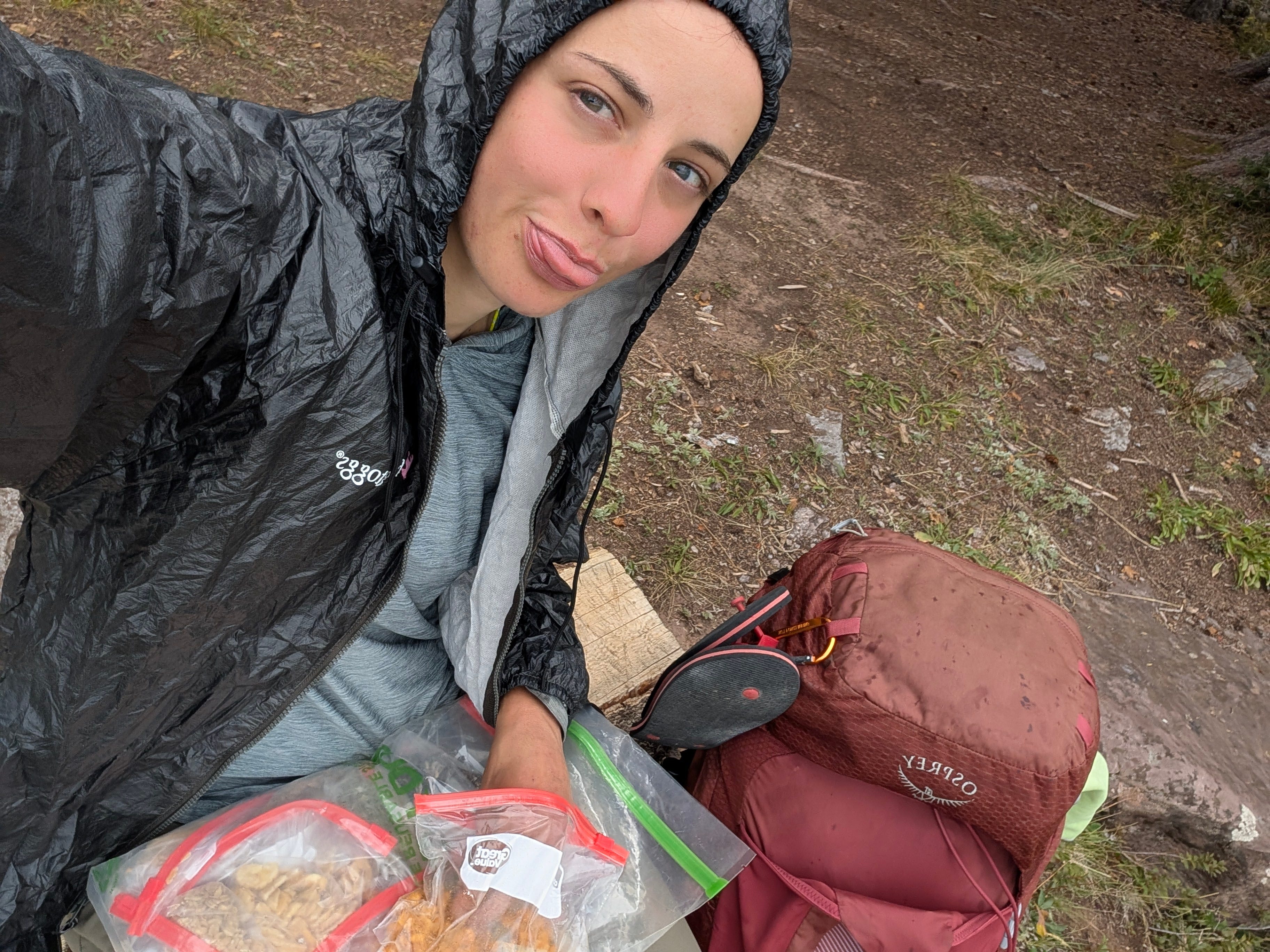
The Peanut Butter Crunchwrap Supreme
This was my most reliable (and tolerable) thru-hike fuel. Honestly, I kind of miss them.
Ingredients:
1 large tortilla
peanut butter
granola or trail mix
Build:
spread peanut butter
dump granola
fold like a burrito
consume (yum)
It kept me from snack-stop entropy and fueled me for hours. The magic is not the specific food, of course but the repeatability of it, especially when you’re tired and starving.
Early Warning Signs
My earliest signal wasn’t pain. It was decision quality fading into the background.
I started making choices I normally wouldn’t. The trail narrowed around me. Options felt fewer. Risk felt normal.
That’s what fatigue does.
Common early signals:
clumsy feet, toe-stubs, sloppy steps
irritability, weird emotional swings
appetite drop, nausea, “nothing sounds good”
spacing out, forgetting simple tasks
ignoring wet gear because you want to be done
When you notice a signal, adjust the inputs.
Most of the time, the fix is boring:
electrolytes
calories
a short break
warmth
a smaller goal for the next hour
End of Day: The Non-Negotiables
Feet first. Always.
Most hikers do not take good enough care of their feet. They treat them like a rental car, then act shocked when something goes awry.
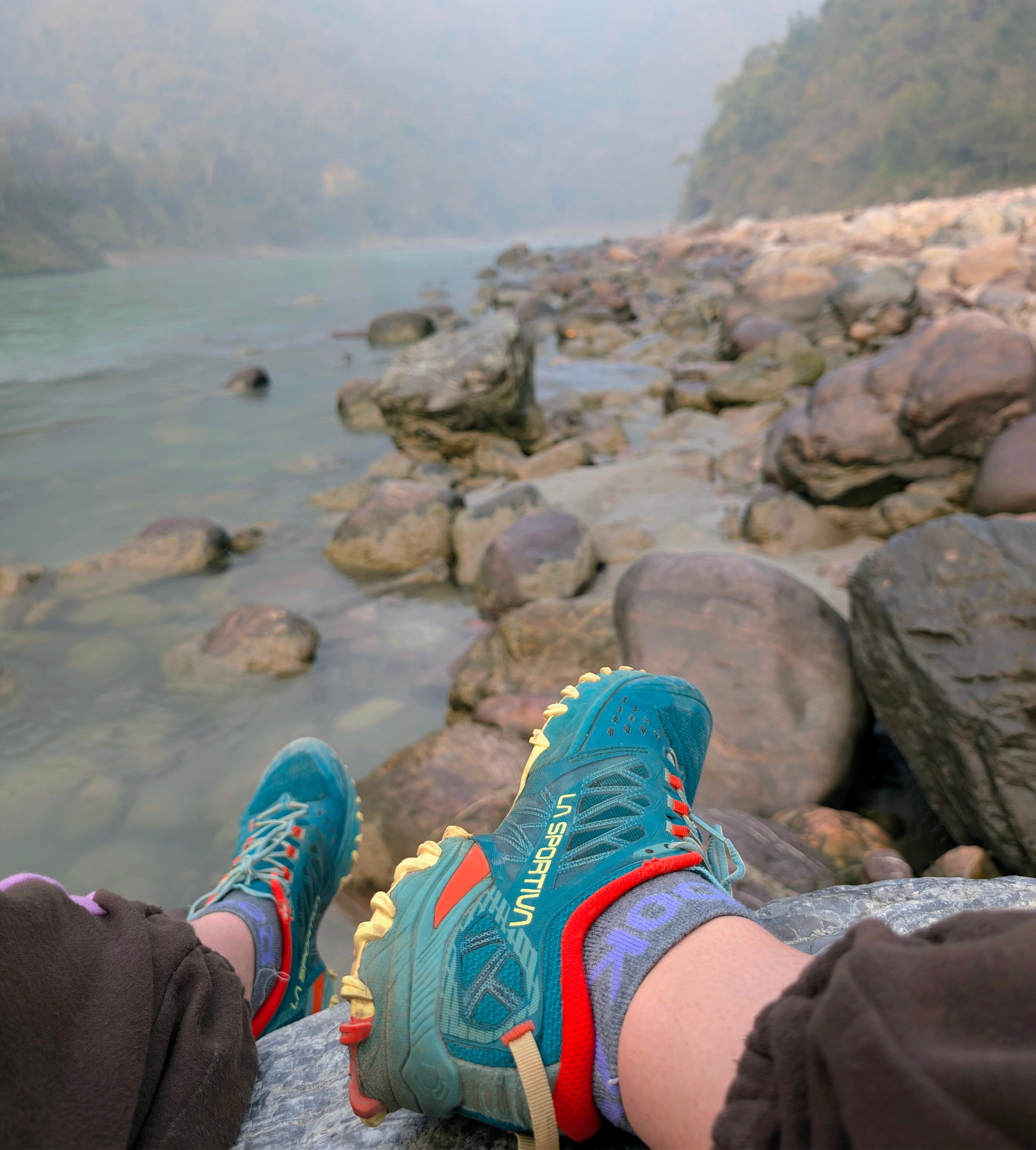
On trail, you put your feet under a microscope (figuratively speaking, of course) each and every night. Preventative work is cheaper than reactive work:
feet: wipe down, inspect, hotspots handled immediately
hydration: drink, then drink again with electrolytes
calories: real dinner (with protein) even if you’re tired
warmth: don’t be stubborn about changing layers; do it
mobility: 5-8 minutes of basic stretching (calves, hips, back)
sleep kit: keep it dry like your life depends on it, because sometimes it does
I didn’t get a single blister while thru-hiking. My feet were pretty gnarly by the end, but at least they were functional.
Also: floss. Brush your teeth. Wipe down. Bird bath when you can. You don’t have to be pristine, but you do need to be intentional.
The Mistake That Almost Ended My Thru
The San Juans gave me what I will forever call the thundersnow event.
Rain. Hail. Sleet. Snow. A damp, grinding churn where everything you own becomes a little wet and you start losing the ability to fix it.
I hiked this stretch with Season Pass, Alaska Dan, and Jingles — three seasoned hikers who knew how to brave (and survive) harsh conditions. In the end, I was safe, but my gear was not.
In the chaos of hiding under tents and constantly rearranging layers, water started pooling inside the waterproof liner of my pack. Some of my stuff sacks were not dry bags because I was learning in real time, and my sleeping bag got wet. The condensation in my Lunar Duo Explorer throughout the night did not help. It took “damp” and turned it into “soaked through” by morning.
And here’s the part that still makes me laugh, because the trail has a sense of humor: it was something like 95% humidity. Yes, with snow and hail. Colorado contains multitudes.
There was no drying anything. Every attempt ended in vain.
That’s the moment the stakes become clear. If your sleeping bag is wet, recovery collapses along with your probability of surviving dangerous conditions. Be as tough as you’d like; weather will still claim victory over you if you’re not also cautious.
I bailed at Segment 24, hitched to Silverton, and dried everything out in the Avon Hostel basement. Humbled doesn’t even begin to cover it, but eventually, my gear came back to life. The rest of my crew walked on and met me in Silverton the next day, and we exchanged stories from both trail and town, happy to be reunited once more even if just for a short while.
After that, I bought additional dry bags for clothes and my sleeping bag. The pack liner alone (a 30-liter trash bag) wasn’t realistically going to cut it.
Demand 5 isn’t just about how your body feels. It’s also weather management, gear management, and your ability to stay crisp when conditions are actively trying to wear you down.
Mornings: Unlock Before You Judge the Day
Some hikers wake up smooth. Some wake up feeling like a piece of chalk.
Even when I felt strong, I still needed time to negotiate the first mile or two, especially at altitude where everything feels louder.
A simple morning unlock:
3-5 minutes walking without forcing pace
ankle circles, calf pumps, a few controlled step-downs on a rock or log
strap check once warm (sternum strap and shoulder tension show up late)
I also learned that tiny adjustments are not optional. A sternum strap that’s subtly too tight can make breathing feel harder than it needs to. Loosen it. You will notice that, on trail, having to stop to make small adjustments will annoy you; do it anyway.
And yes, trail yoga is an option. Goldfinch and I, plus a few others, did yoga with the Beatbox Crew and ended with a group ohm. It helped stiffness, and also morale. Recovery is easier when your nervous system feels safe.
Weather, Morale, and Decision Quality
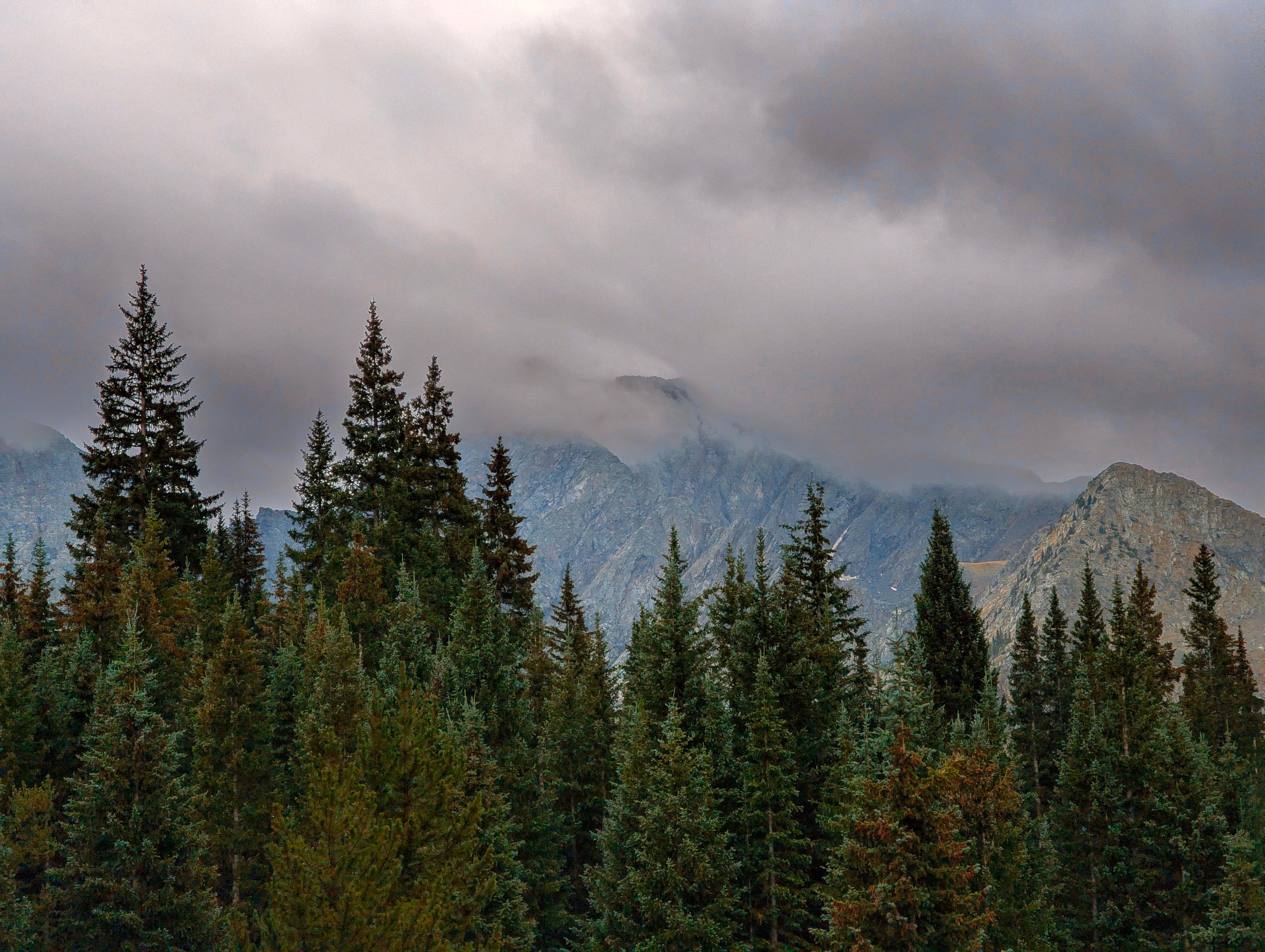
I got a bit of a reputation for leaving town in ugly conditions: Breckenridge, Salida, Twin Lakes, Lake City… I would pull my rain jacket over my puffy, cinch the hood tight around my face, put one earbud in, and sing loudly while the weather tried to take me out. Slightly manic, yes, but also some of my most fun moments.
I learned something important out there: rain, sleet, or snow alone is not a reason to stop going. With the right gear, most weather is just… weather.
There are exceptions. Thunder and lightning, avalanche terrain, rockfall risk, real exposure. That’s where you begin entering into Type 3 Fun territory. If you’re inexperienced or unsure, err on the side of safety. The mountains don’t give participation trophies.
But in normal misery? Keep moving. Manage layers, protect your hands and feet. Eat, drink electrolytes. Don’t let your brain turn weather into a melodrama.
Also: positivity matters, and the reason is simple: decision quality. You do not make good choices when you’re in a bad mood. When I was low, talking to other hikers helped a lot. Texting someone who understood the misery snapped me back into perspective, because community is a stabilizer (especially when you share a common goal).
Build Your Itinerary Before You’re Tired
Here’s what people do backward: they wait to plan until fatigue is already eating away at them.
When you’re tired, your brain wants fewer decisions, fewer surprises, fewer unknowns. Decision-making costs energy you no longer have.
A good itinerary is a safety net for when your judgement gets wobbly.
When I made the Thru-Hiking Itinerary Template and tested it on the Colorado Trail, I knew my hike wouldn’t go exactly to plan (no one’s ever really does). But the hikers who finish almost always have a rough map: where they’ll likely camp, where they’ll resupply, where the dry stretches are, how they’ll get into town, how they’ll check in with loved ones.
💡 Read the full guide on Type Two Fun (includes the Thru-Hiking Itinerary)
When the trail turns, having a plan to fall back on is imperative.
The Tool Stack: Use the Right Lever
Each demand solves a different failure point. If you’re building a hiking plan, use the whole stack:
downhill durability: Downhill training + protocol checklist
balance and stability: reaction time and uneven terrain drills
pack tolerance: pack weight + ruck training and the generator
elevation readiness: build the engine, then show up early enough to acclimate
recovery while moving: the itinerary template and fatigue systems
And if you want a baseline honesty check, start with the Trail Readiness Quiz. It will tell you whether you need structure or whether you just need to execute.
Where the Series Goes Next
On trail, the five physical demands do not arrive one at a time.
Aerobic output, downhill stress, uneven terrain, pack load, and recovery stack on top of one another, usually when the weather is turning and your decision-making is beginning to resemble gas-station sushi.
Understanding each demand is useful. Progressing all five without creating a fatigue bill your body cannot pay is where most hikers get stuck.
Generic plans tend to treat mileage, strength, elevation, and pack weight like separate boxes to check. Your body does not experience them separately. Add too much too quickly and something starts complaining. Progress too cautiously and you arrive at the trailhead underprepared despite months of training.
The Train-to-Trail Complete System turns those moving parts into one customizable weekly framework built around your actual hike. It answers the questions that quietly determine whether your preparation works:
What should I do this week?
How hard should it feel?
How do I progress mileage, elevation, and pack weight without breaking down?
What should change when I am tired, busy, in pain, traveling, or behind schedule?
It includes:
A custom Train-to-Trail dashboard where your workouts, progress, gear list, itinerary, and next action items live in one place
A weekly training structure built around your start date, current fitness, injury history, terrain access, and actual trail demands
Progressions for hiking mileage, elevation gain, pack weight, strength, and recovery so your body adapts without guessing
Ongoing check-ins and plan adjustments so the work changes when your life, symptoms, schedule, or trail timeline changes
Terrain and condition substitutions for stairs, treadmills, hills, gym sessions, uneven ground, travel weeks, and bad-weather constraints
Clear pain, fatigue, deload, and taper rules so you know when to push, when to adjust, and when to stop making the problem worse
A movement and activity library with demos, scaling notes, warm-ups, mobility, recovery work, and form-review prompts when needed
A gear and pack system that helps you track weight, compare categories, catch missing items, and decide what is useful, redundant, too heavy, or quietly creating problems
A thru-hiking itinerary strategy for daily mileage, resupply, town stops, bail-out options, start-date decisions, and decision quality when fatigue takes over
A final pre-trail readiness review covering your packed weight, food and water plan, navigation, safety handoff, emergency contacts, and the loose ends that matter before you step onto trail
This series gives you the map. The Complete System helps you use it.
Because the uncomfortable truth is that preparation has a deadline. You can replace a piece of gear the week before your hike. You cannot cram months of adaptation into the final two weeks because your start date suddenly feels real. Tendons, feet, lungs, and judgment are stubborn like that.
If you already have a trail, trek, or summit on the calendar, the question is not whether you can find more training advice. The internet has plenty. The question is whether that advice becomes a plan you can execute, measure, and adjust before your remaining runway disappears.
💡 Ready to stop piecing your prep together? Explore the Complete Hiking and Elevation Training System and build a plan around the trail you are actually preparing to hike.
Recovery Is How You Finish
Fitness gets you to the trailhead. Systems get you to the terminus.
Recovery on trail rarely looks like complete rest. It happens in fragments: calories before you feel desperate, electrolytes before the headache, foot care before the hotspot becomes a blister, and stopping early enough that tomorrow still belongs to you.
If you take one lesson from this post, let it be this:
Your ability to continue depends on how well you protect the version of yourself who has to wake up and hike again tomorrow.
That includes the people around you.
There is a reason I end every post in this series with go with love. Something uniquely human happens when a group of exhausted hikers starts chasing the same difficult goal. Someone shares information, waits at a junction, offers food, talks you through a bad hour, or notices that your judgment is slipping before you do.
You build a network without formally deciding to build one. Over time, it becomes an unintended safety system.
Community does not replace preparation. It is part of preparation. Other people can lend you perspective when fatigue has narrowed your own, and eventually, you will do the same for someone else.
That is one reason long trails have a reputation for restoring people’s faith in humanity.
Where does fatigue expose you first: sleep, pacing, food, feet, mindset, or logistics? Drop your answer in the comments. I want to know which system falls apart first when your day stops going according to plan.
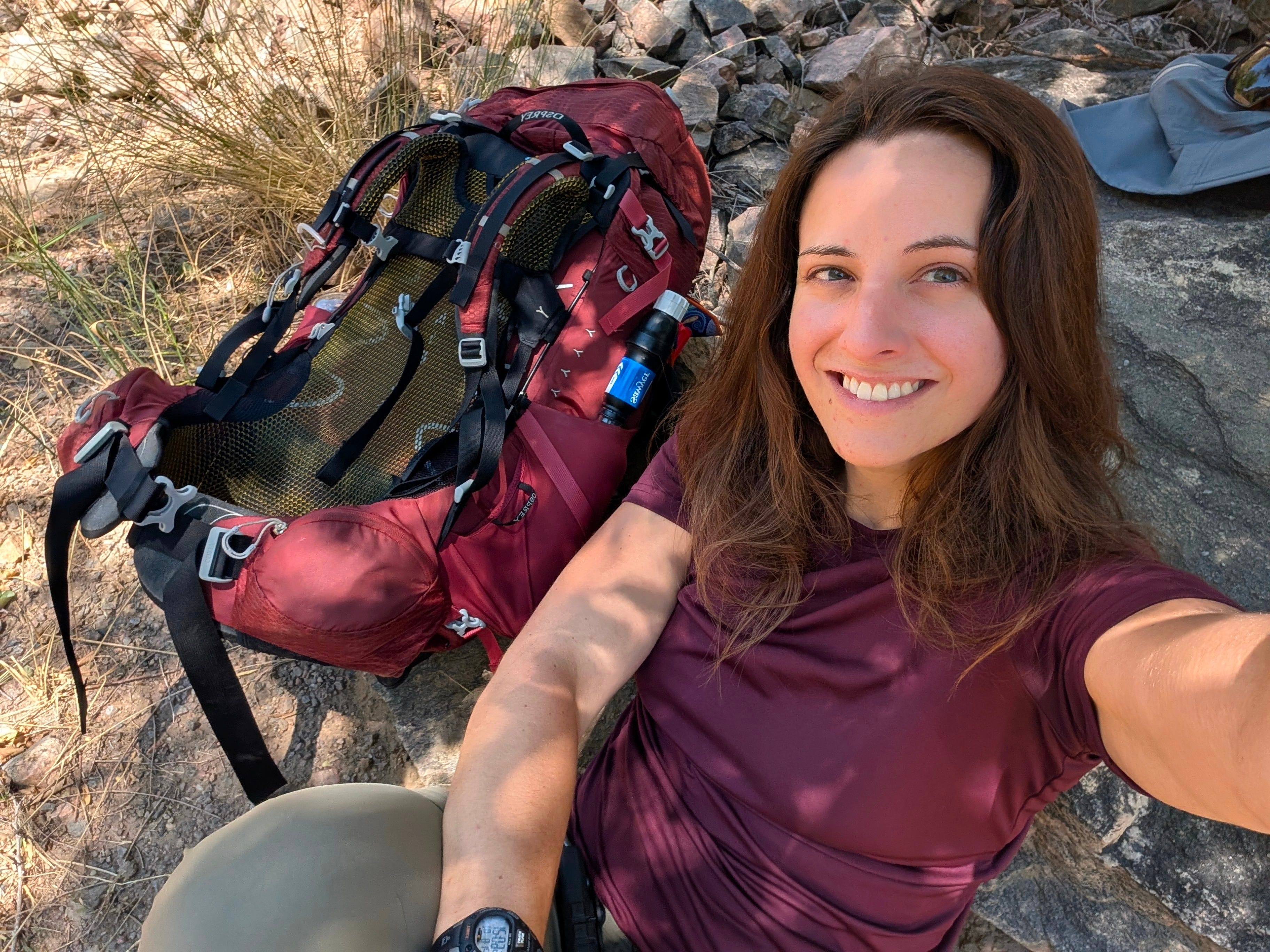
If this post helped you, send it to one hiking friend who still thinks being gym-strong makes them trail-proof. 👀
You can also find me on TikTok and Instagram at @freda.heights.
Go with love,
— Freda
Well done! Miss you here in Michigan
I knew you were a excellent writer
But your narrative voice is superb
Well done