

The 5 Physical Demands of Hiking That Most Workout Plans Ignore
Training for hiking requires more than gym fitness. Learn the real physical demands hiking places on your body and why most workout plans fail on trail.
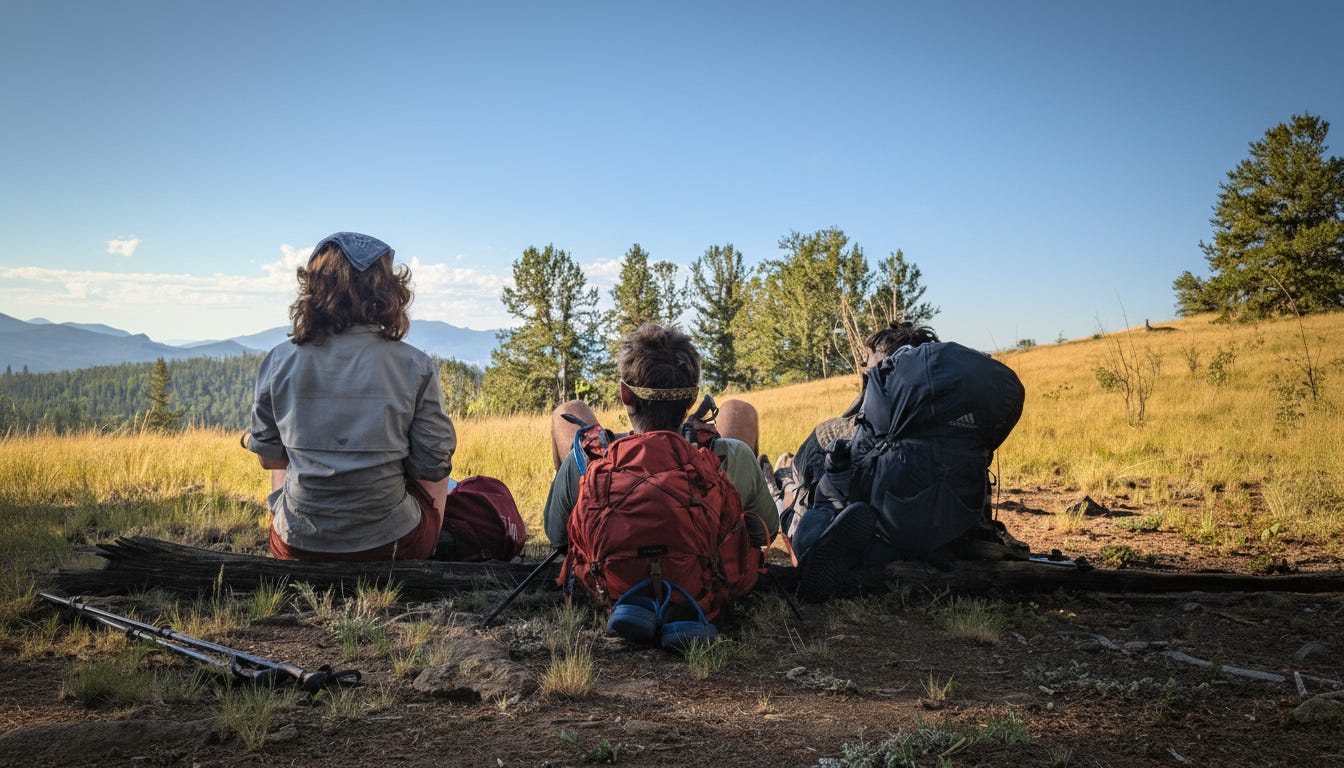
There is a specific kind of gym confidence that evaporates the moment you step onto a real trail with a real pack and a real timeline. It usually happens somewhere between the first long climb and the first real descent.
Your lungs feel fine, your heart rate is manageable, and your brain tries to declare victory early… then your quads start barking on the downhills. Your feet get sloppy on uneven rock. Your shoulders remind you that a pack is not a cute little dumbbell.
Most mainstream fitness is built to optimize how you look, or how you perform in short, predictable bursts: sets, reps, rest. Flat floors, controlled movements. Progress you can measure in neat little numbers.
Hiking does not care about your neat little numbers.
Hiking is long, unpredictable, and uneven. It’s hours of low-grade consequence with your heart rate drifting upward even though you swear you’re taking it easy. It’s downhills that quietly shred your quads and carrying your entire life on your back while your feet argue with every rock on the planet.
That gap between “gym fitness” and “hiking fitness” is the whole point of this post.
This is Post 1 in a 3-part series on training for hiking. Whether you are planning a casual day hike or something longer this season, the reality is the same: most people realize too late that they trained for the gym, not for the trail. The goal here is not to hand you a tidy hiking workout plan and move on. The goal is to name the physical demands that actually matter on trail, and explain why generic fitness so often fails the moment conditions stop being controlled.
If you finish this thinking, I thought I was fit, but I’m not trained for hiking yet, then good. That’s the moment where real readiness starts (said with peace and love).
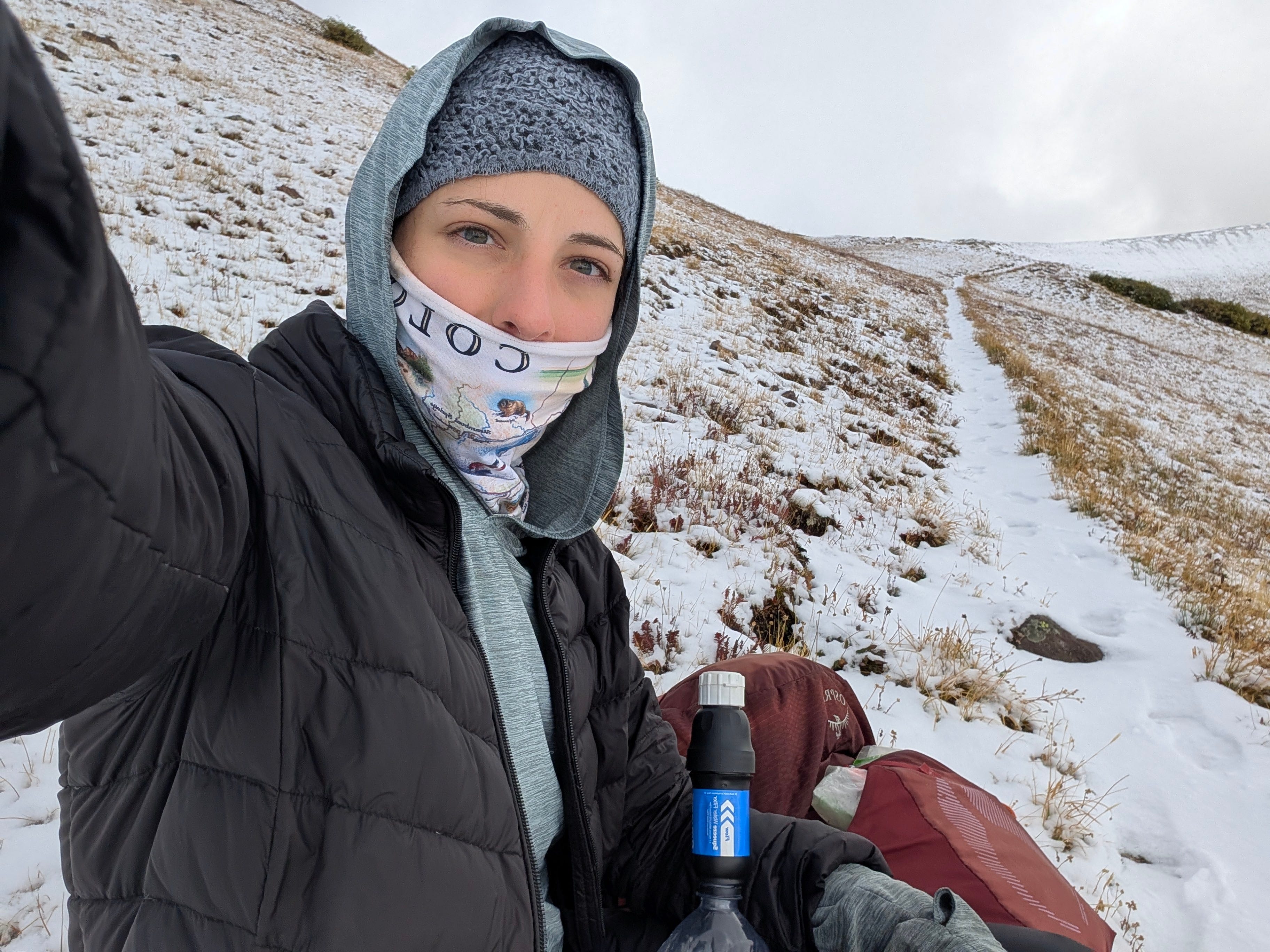
1. Sustained eccentric loading: the downhill tax nobody trains for
Full Downhill Guide Here: Downhill Training for Hikers (the full breakdown)
Most people fear the climb. Experienced hikers fear the descent.
Uphill feels heroic because it burns. Downhill feels easy until tomorrow. The damage is quieter, and far more personal.
Downhills are eccentric work: your muscles lengthen under load while braking your body weight. That “braking” is not gentle. It’s hundreds to thousands of controlled micro-falls, all day long, especially when the terrain is steep or unstable. Eccentric exercise is notorious for muscle damage and delayed-onset soreness, particularly when you are not adapted to it (that classic “why can’t I sit down” feeling two days later). A key reason training works is the repeated-bout effect: your body adapts when you expose it to this stress progressively over time.
A lot of gym programs either don’t include meaningful eccentric loading, or they include it in tiny doses. A few slow negatives on a leg extension machine is not the same as losing 3,000 feet over a rocky ridge while trying not to eat dirt.
On the Colorado Trail, downhills were where my confidence got audited. Not because I couldn’t “handle pain,” but because pain changes mechanics. Mechanics change stability. Stability changes safety.
One weak link and the trail will find it.
If your training for hiking never includes controlled downhill work, step-downs, long descents, or any kind of progressive eccentric focus, you can still be strong. You’ll just be strong in a way that doesn’t translate.
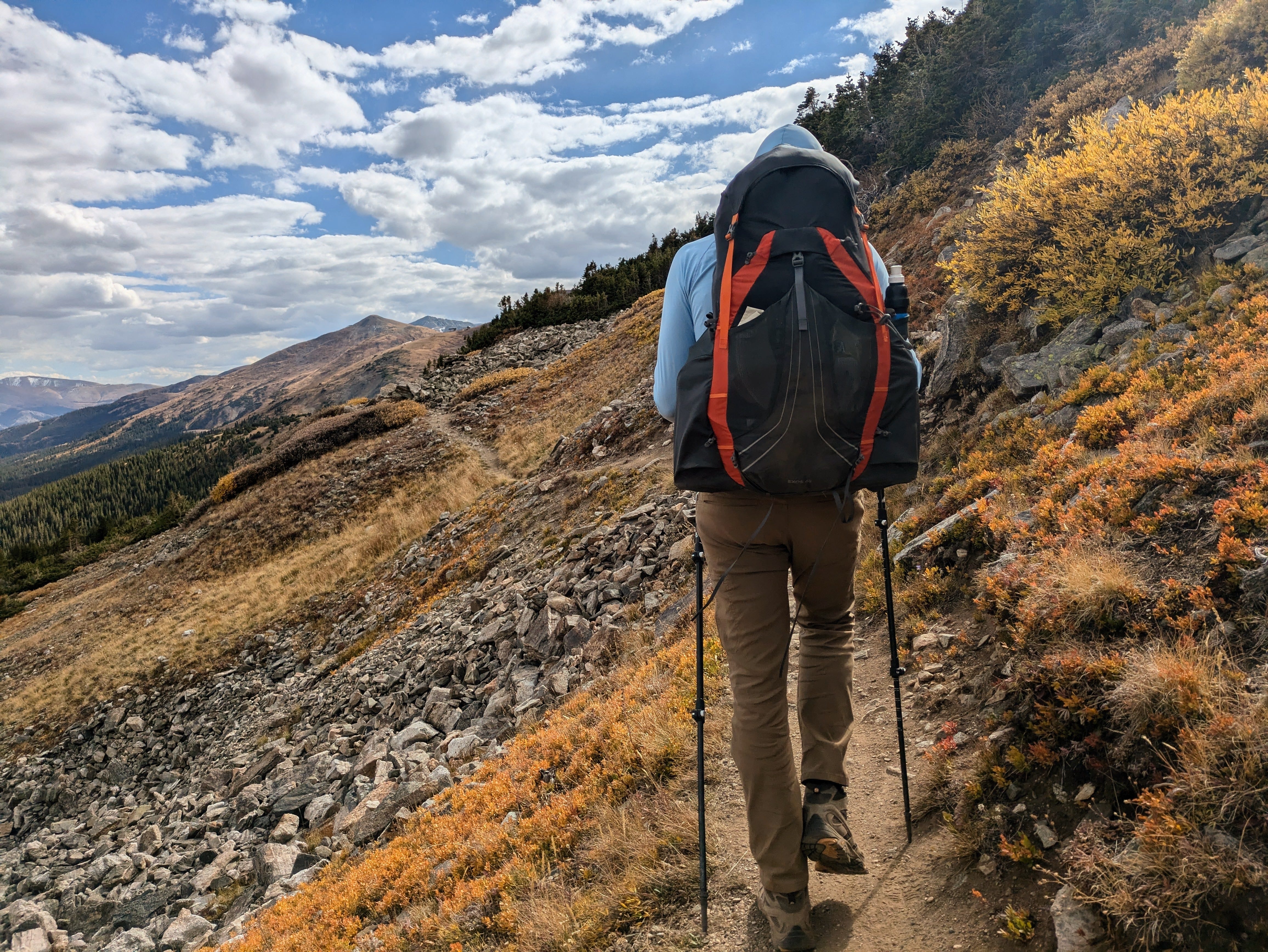
2. Long-duration fatigue under load: the pack turns cardio into a slow leak
Carrying weight isn’t just “harder cardio.” It’s a different physiology problem.
A pack changes your posture, your breathing mechanics, your gait, your foot strike, your heat management, your balance, and your energy cost. It is the difference between moving through the world and dragging a small, needy animal up a mountain.
Most gym training happens unweighted or briefly weighted: a set of squats, a farmer’s carry, or ten minutes on the stair climber. Hiking, however, is hours under load with small stabilizers working overtime, and with fatigue accumulating whether you feel dramatic about it or not.
Load carriage research is blunt about what you already know in your bones: adding weight increases energy expenditure, and the cost climbs further on grades. That means your “easy pace” at mile two is not your easy pace at mile twelve, especially if the trail keeps tilting upward and your pack is full of water.
This is where a lot of “hiking fitness” advice goes off the rails. People train cardio without load, strength without duration, and then they’re shocked when their body runs out of answers mid-day.
If you want to train for hiking with a pack, you have to actually spend time moving with one. Not because it’s sexy (results may vary). Because it is specific.
And yes, I know the temptation: “I’ll just get strong and figure it out on trail.” That’s how you end up learning the difference between fitness and readiness at the exact moment you need your knees to be polite.
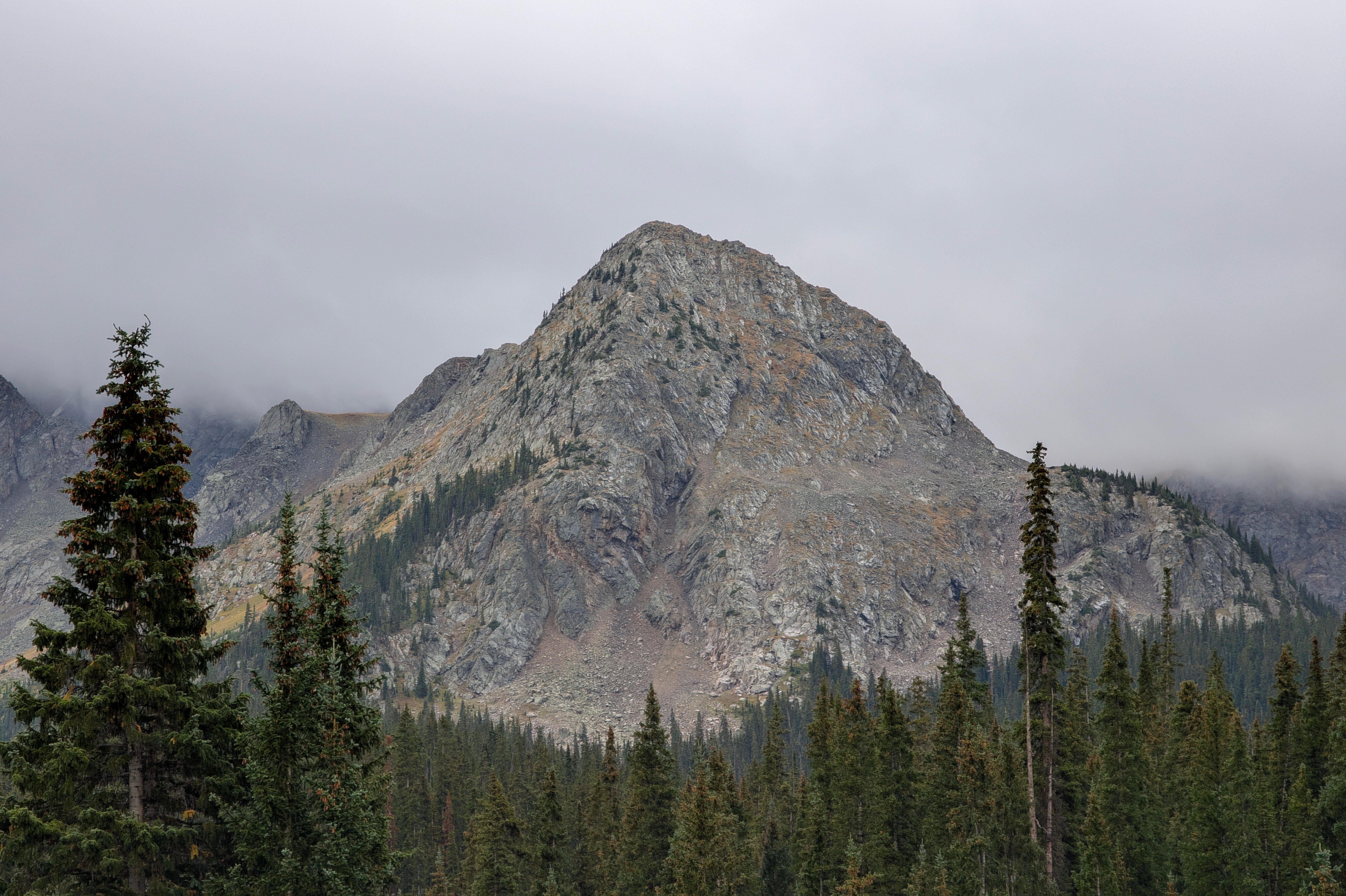
3. Uneven terrain and joint stability: the gym is flat, the trail is not
The gym is a controlled environment. Even when it’s “hard,” it’s orderly.
The trail is hostile architecture.
Uneven terrain demands constant joint corrections: ankle, knee, hip, trunk. It’s not just strength, it’s reflexive stability. Your body is making thousands of tiny adjustments every hour. When you’re fresh, you barely notice. When you’re tired, those adjustments get sloppy, and sloppiness has a high price.
This is where “being in shape” becomes irrelevant.
On Segment 2 of the Colorado Trail, I learned this the hard way. The physical takeaway is simple: fatigue makes you clumsy. Clumsiness on uneven terrain becomes injury risk.
Most workout plans don’t train lateral control, foot strength, hip stability, and deceleration under real-world variability. They train patterns.
Hiking punishes patterns.
If you’re serious about training for hiking, you need some form of uneven-surface exposure, single-leg work, and stability training that actually respects the reality of rocks, roots, sand, scree, water crossings, and the occasional “oops, this is basically a staircase made of boulders.”
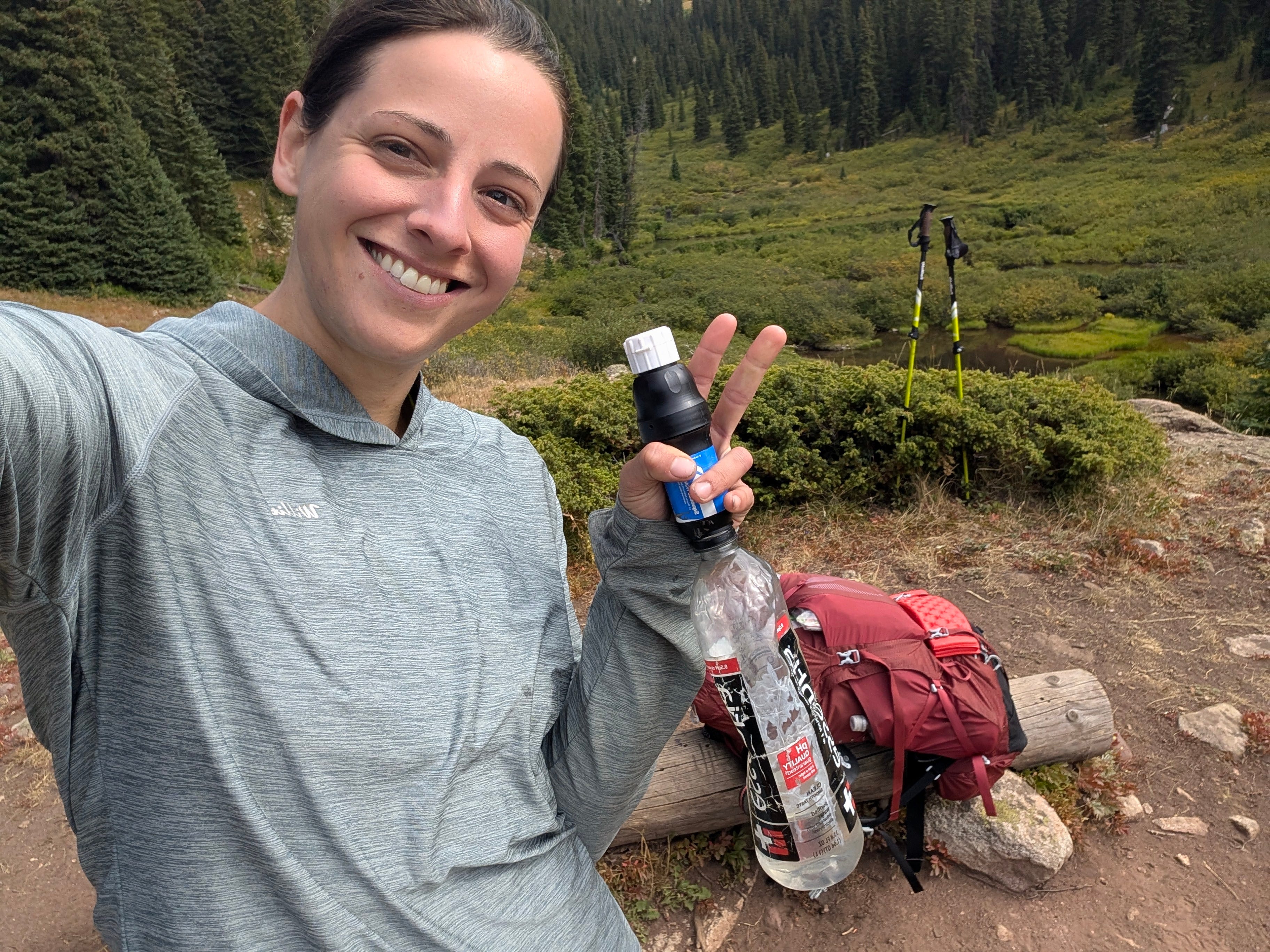
4. Energy management over hours, not sets: your metabolism is on a schedule, too
This one is the silent killer of hiking fitness: energy.
In the gym, you can brute-force a workout on vibes, caffeine, and stubbornness. On trail, you are running a long, steady burn. If you mismanage food, pacing, or hydration early, you will pay later. Usually on a climb, and usually with your mood attached.
Hiking does not reward peak intensity, however. It rewards sustainable output.
That means your hiking training plan should include a concept that many gym plans ignore: pace discipline. Not the kind that looks cool on Strava. The kind that keeps you functional on hour five. Hikers, and especially thru-hikers, are training for repeated endurance output by:
Eating early.
Drinking before they’re thirsty.
Taking smaller sips.
Managing electrolytes.
Keeping output steady.
It also means nutrition matters more than people want it to. The American College of Sports Medicine and other sports nutrition consensus statements have been saying for years that carbohydrate intake during prolonged exercise improves endurance performance and delays fatigue. You do not need to turn into a lab rat, but you do need to stop treating food like an afterthought if your hikes are long.
There’s a reason endurance nutrition and hydration guidelines exist, and it’s not because athletes love paperwork. If you are moving for hours, hydration strategy matters, and dehydration is a performance and safety problem, not a vibe.
On trail, fuel is not a reward. It is a tool.
This is also why a standard hiking workout plan that is all strength and no long-duration work often fails hikers. You can be strong and still bonk. You can be cardio-fit and still fall apart if you do not eat. The trail does not grade you on your intentions.
A practical rule: if your training never forces you to manage effort, hydration, and food in real time, you are leaving a big variable untrained.
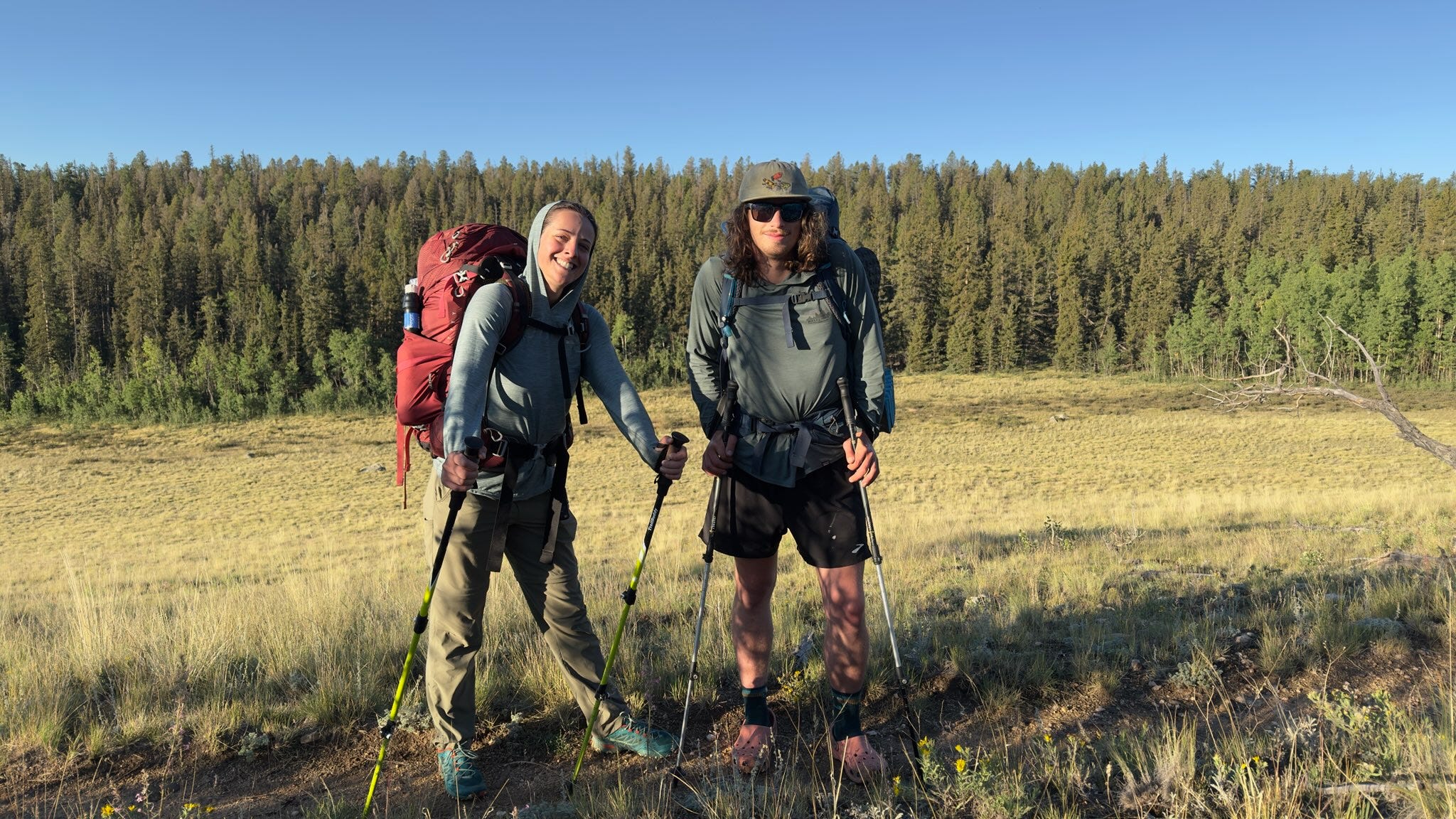
5. Recovering while still moving: multi-day effort is its own sport
This is the one that separates a hard day hike from a real hiking training plan.
Multi-day hiking asks your body to recover incompletely and still perform. You wake up with yesterday still in your tissues. Your feet are tender. Your sleep may have been weird. Your appetite is unpredictable. Your nervous system is carrying yesterday’s stress. And then you put the pack on again.
Recovery on trail is constrained:
You cannot take a perfect rest day whenever you want
You cannot always sleep well
You cannot always eat what you crave
You cannot always control weather, elevation, or terrain
This is also where altitude starts to matter in a way that is hard to wrap your head around until you’re already in it.
At elevation, your margin shrinks. Sleep gets weird and appetite often tanks. Effort feels louder… much louder. If you want the physiology side of that, the Wilderness Medical Society’s altitude illness guidelines are one of the better clinical anchors for how altitude stress shows up and what helps.
I wrote about this from the perspective of a lowlander who had no business acting confident about thin air: here are my altitude field notes from Colorado and what actually helped.
Here is why “hiking in altitude” needs its own conversation.
It is not “just the same hike, but harder”. It changes recovery, pacing, and how quickly fatigue becomes cumulative. And this is also why trail confidence is not built by hype. It is built by preparation, by keeping promises to yourself, and by knowing you can handle discomfort without turning it into drama.
Where This Goes Next
Most fitness plans ignore the actual demands of hiking. Not because they’re evil, but because they’re designed for a different goal. A gym goal.
Trail readiness is a durability goal.
💡If you’re the kind of person who wants to hike solo, build competence, and keep your nervous system steady when things get messy, you’ll probably appreciate this too: Solo Female Thru-Hiking: a real-world guide to preparation and resilience.
If downhill is the part that worries you, start here:
The Uncompromising Truth:
Being “fit” is not the same as being trained for hiking.
Hiking demands eccentric durability, load tolerance, stability under chaos, energy management over hours, and recovery that still has to function while you keep moving.
If your current routine doesn’t train those things, you’re not behind. You’re just training for a different sport.
And the good news is this: hiking rewards specificity fast. Your body is extremely willing to adapt, as long as you stop asking it to prepare for a mountain by practicing on a flat floor.
You don’t need to become a different person.
You just need to train for the terrain you actually plan to walk into.
You can find me elsewhere (Tiktok, Instagram) at @freda.heights. If you’d like to support the TTF journey, you can do so here. As always, your feedback and commentary is appreciated.
Great info! I MUCH prefer uphill climbs over downhill…especially steep scree fields… I look forward to reading more.
What a great article!! I’m a midlifer with ankle injuries and knee pain but I love hiking! I just posted about how I went about my Moab trip all wrong and I’m going to be posting about some hikes I attempted that would’ve been impossible for me but for proper training! Thanks for the great content.